Turning New Capabilities Into Organizational Performance

Technology can change what an organization is capable of doing. It doesn’t automatically change what the organization actually does.

Master Move studies what happens in between.

The Problem

Where does the value get lost?

Organizations are gaining access to new capabilities faster than many can absorb them. New tools, new models, and new systems can arrive faster than the work around them changes to take advantage of them.

One result is a familiar pattern: real investment, real deployment, and a performance measure that doesn’t move the way anyone expected.

That gap, between what a capability makes possible and what an organization actually does differently, can emerge anywhere between the technology and the business outcome. Master Move studies what happens in between, without assuming where the constraint lies.

What We Study

What happens between capability and performance?

Work & Workflow

How tasks, processes, and roles change when a new capability arrives.

Human Capability & Judgment

What people still need to know, decide, and practice.

Organizational Conditions

How management, incentives, governance, and structure shape the outcome.

Performance & Value

How organizations determine whether a transformation actually worked.
"Every single investment that every company is making in AI right now, will be for naught if you don’t get the data right."

– Steve Lucas, CEO of Boomi in Conversation with Master Move

A capability is what becomes possible. Performance is what an organization actually does with it.
The two rarely arrive on the same timeline.

Current Research

The Capability-to-Performance Gap

AI is giving organizations powerful new capabilities. But deployment, usage, and even individual productivity gains don’t necessarily translate into changed organizational performance. Master Move is studying what happens in between: where value gets lost, what organizations change when new capabilities produce measurable results, and how leaders determine whether transformation is creating value.

Conversations

Conversations with the people changing how organizations work

Master Move brings together CEOs, CIOs, founders, operators, and transformation leaders to examine what happens when new capabilities meet real organizations.

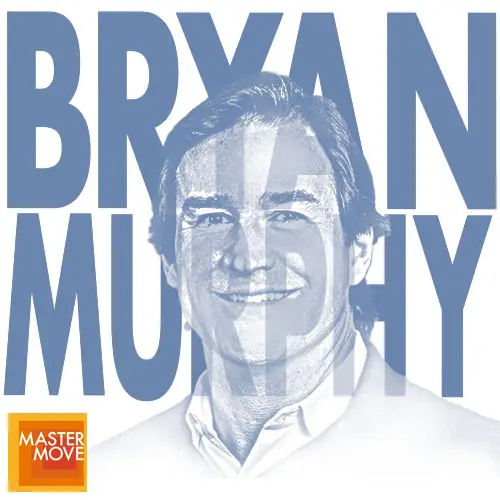
Stylized blue monochrome portrait of Bryan Murphy with his name in bold block letters behind his and the Master Move logo in the corner

Bryan Murphy · Smartling

When AI changes the economics of the work

How Smartling rebuilt its translation workflow around AI, automating the tasks that ate linguists’ time and quadrupling their daily output without losing quality.

Podcast episode artwork featuring Jayney Howson

Jayney Howson · ServiceNow

Curiosity as a capability, not just a trait to hire for

As ServiceNow’s Chief Learning Officer, Jayney Howson is rethinking how skills and talent readiness get built as AI reshapes what work actually requires.

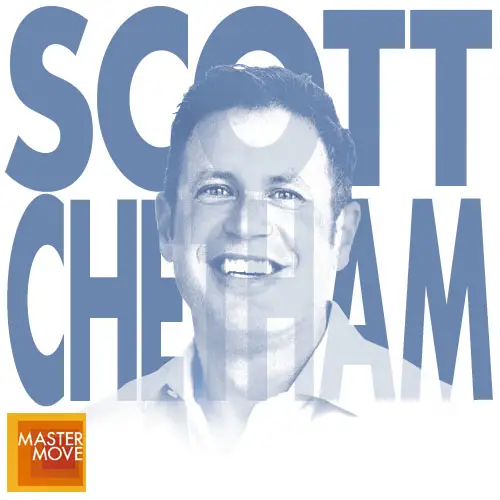
Stylized blue monochrome portrait of Scott Chatham with his name in bold block letters behind his and the Master Move logo in the corner

Scott Chetham · Faro Health

Turning AI into faster trials, not just faster tasks

How Faro Health is using agentic AI to compress the slowest parts of clinical trial design, and what that means for getting therapies to patients sooner.

What separates a new capability that gets deployed from one that actually changes organizational performance?